SwitchUpCB published "Google Advises Against AGPL Fools" on Medium.
Google Advises Against AGPL Fools
The tech giant prefers developers to avoid participating in this event.
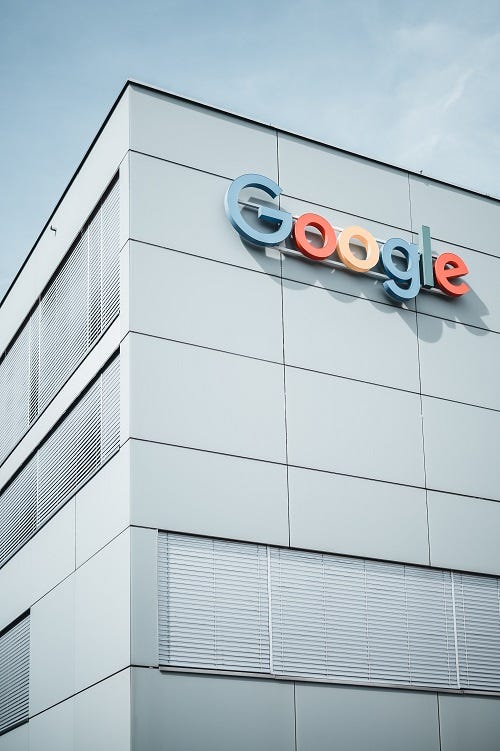
Developers in the Open Source Software (OSS) community are changing the license of their software to the AGPLv3 license in celebration of April Fools’. Tech giants such as Google are advising against this behavior.
Here is what you need to know.
What Is The AGPL License?
The GNU Affero General Public License (AGPL) is a strong copyleft license published by the Free Software Foundation. This license permits developers to use a given software upon the condition that its source code is always distributed to the end user. It also requires developers to leave the license intact upon redistribution of the software.
The AGPL license was created to patch the Application Service Provider loophole in the GNU General Public License (GPL). This GPL license loophole unintentionally lets Software as a Service (SaaS) companies — who provide applications as a service — run GPL-licensed software over the network without adhering to the GPL license terms.
The AGPL license is identical to the original GPL license except for the Application Service Provider loophole patch: This requires people who link (i.e import, copy, etc) the software from the network to adhere to the AGPL terms. In other words, developers who use, modify, and distribute AGPL software must provide their modifications to the public.
The Google AGPL Policy
The “ Google AGPL Policy” advises its developers against using software licensed under the AGPL.
“ WARNING: Code licensed under the GNU Affero General Public License (AGPL) MUST NOT be used at Google.
The license places restrictions on software used over a network which are extremely difficult for Google to comply with. Using AGPL software requires that anything it links to must also be licensed under the AGPL. Even if you think you aren’t linking to anything important, it still presents a huge risk to Google because of how integrated much of our code is. The risks heavily outweigh the benefits.”
Google uses a microservices architecture, resulting in services that interact through APIs over the network. Google’s worst nightmare would be a service that imports AGPL-licensed software due to the license’s virality clause.
The AGPL license’s virality clause requires that any software which derives code from AGPL-licensed software also be licensed under the AGPL. In other words, using AGPL-licensed software requires the software you develop to be AGPL. So a Google service that links to an AGPL-licensed software would also have to be AGPL.
If an AGPL Google service interacted with any other Google service, that Google service would also have to be AGPL. Then, the services that interact with that AGPL service would also have to be AGPL. So on and so forth…
This virality would cause the entire Google codebase to become AGPL, so Google avoids the license.
AGPL Fools
AGPL Fools is an event that occurs on April Fools’ Day: Developers change their previously permissively licensed software (i.e MIT) to the AGPL license to prank other developers who use their software. Later, the license is changed back to the previous license.
AGPL Fools is usually harmless because developers may specify which version of a codebase to use. When a new license is added to a codebase, it does not void the previous version’s license(s). So other developers can use a version with a permissive license when a software’s license changes to the AGPL.
This example demonstrates the above scenario.
Other developers are able to use _v1_ and _v3_ of the software with the MIT license.
The Dangers of AGPL Fools
It’s an industry standard for other developers to import code using a specified version. So it’s not likely for a developer that uses software that changes during AGPL Fools to be affected. If another developer imports the AGPL version of the source code, no issues occur unless the original developer goes after them.
In addition, there would need to be sufficient changes in the AGPL version that prevent the other developer from reverting to the prior version.
Certain permissive licenses (i.e MIT license) can be sublicensed to the AGPL license, but not the other way around: This could cause issues if a permissively licensed codebase with many contributors is licensed to the AGPL. Then, a contribution is made under the AGPL without a contributor license agreement.
The above scenario is only possible if the AGPL Fools’ developers are careless, so as always…
Be careful. Have fun.
Links
- 🌐-en.wikipedia.org-wiki-april_fools%27_day
- 🌐-en.wikipedia.org-wiki-gnu_affero_general_public_license
- 🌐-gnu.org-licenses-agpl-3.0.en.html
- 🌐-gnu.org-licenses-gpl-3.0.en.html
- 🌐-medium.com-@switchupcb-google-advises-against-agpl-fools-a478411d9d3d
- 🌐-opensource.google-documentation-reference-using-agpl-policy